Energy: Physical Science for Kids
Part of the Picture Book Science series
- Subject
- Science & Nature - Physics
- Age
- 3-5 years
- Format
- Hardcover
- Pages
- 32
- Publisher
- Nomad Press (VT)
- Size
- 20.8 cm × 25.1 cm
- ISBN
- 9781619306394
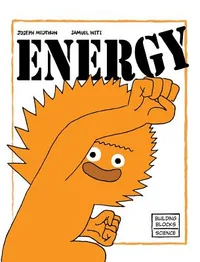
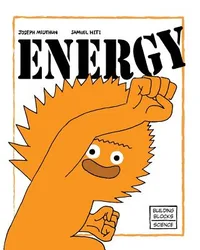
Energy: Physical Science for Kids from the Picture Book Science series gets kids excited about science!
Do you have a lot of energy? What else has energy? Just about everything that moves!
When you feel like running, leaping, and singing, people might say you have a lot of energy. And you’re not the only one! Energy is the stuff that makes everything live and move. People, animals, plants—we all need energy to live!
In Energy: Physical Science for Kids, young readers discover different forms of energy, including heat, light, and chemical energy, that keep the world working and moving. In this nonfiction picture book, children are introduced to physical science through detailed illustrations paired with a compelling narrative that uses fun language to convey familiar examples of real-world science connections. By recognizing this basic physics concept and identifying the different ways it is demonstrated in real life, kids develop a fundamental understanding of physical science and are impressed with the idea that science is a constant part of our lives and not limited to classrooms and laboratories. Simple vocabulary, detailed illustrations, easy science experiments, and a glossary all support exciting learning for kids ages 5 to 8. Perfect for beginner readers or as a read aloud nonfiction picture book!
Part of a set of four books in a series called Picture Book Science that tackles different kinds of physical science (waves, forces, energy, and matter), Energy: Physical Science for Kids pairs beautiful illustrations with simple observations and explanations. Quick STEM activities such as transferring energy from your hands to a ball help readers cross the bridge from conceptual to experiential learning and provide a foundation of knowledge that will prove invaluable as kids progress in their science education.
Perfect for children who love to ask, “Why?” about the world around them, Energy satisfies curiosity while encouraging continual student-led learning.
Picture Book Science presents real-world examples of physical science and engineering topics kids find fascinating! These nonfiction picture books consist of engaging narratives paired with brightly colored, whimsical illustrations drawn by an accomplished scientist. With these books, readers ages 5 to 8 are encouraged to expand their definitions of the words “force,” “matter,” “energy,” and “wave.” Elementary-aged children are equipped to recognize basic science concepts and identify the different ways they are demonstrated in real life, while being impressed with the idea that science is a constant part of our lives and not limited to classrooms and laboratories.Titles in the series include: Waves; Forces; Matter; and Energy.
Data provided by BiblioShare.
This title isn't available to order right now. Browse the book shop for thousands that are.
What reviewers said
Publishers Weekly Explore Poetry! With 25 Great Projects
Over five chapters, Diehn describes poetic forms like limerick, haiku, and acrostic; explores literary techniques, such as personification and exaggeration; and finds connections between poetry, music, and math. Projects include creating a poetry journal and writing ideas on rocks to combat writer’s block. Stone’s cartoons, which star a fox dressed like a Beat poet and a Shakespearean bear, make for a lively layout, while helping target the book at younger readers and poets-to-be.
School Library Connection: Explore Poetry! With 25 Great Projects
Students will have fun learning about the many different forms of poetry in this informational resource. . . This book would be a handy resource for teachers to have available to them in the library. Recommended
The Old Schoolhouse Magazine
"Science books are always a big hit around here. During our normal read aloud time each day, it’s guaranteed that at least one of them will be science-based. Given that I am reading to two first graders, a preschooler, and an 18-month-old, our choice in science books is typically picture books.